


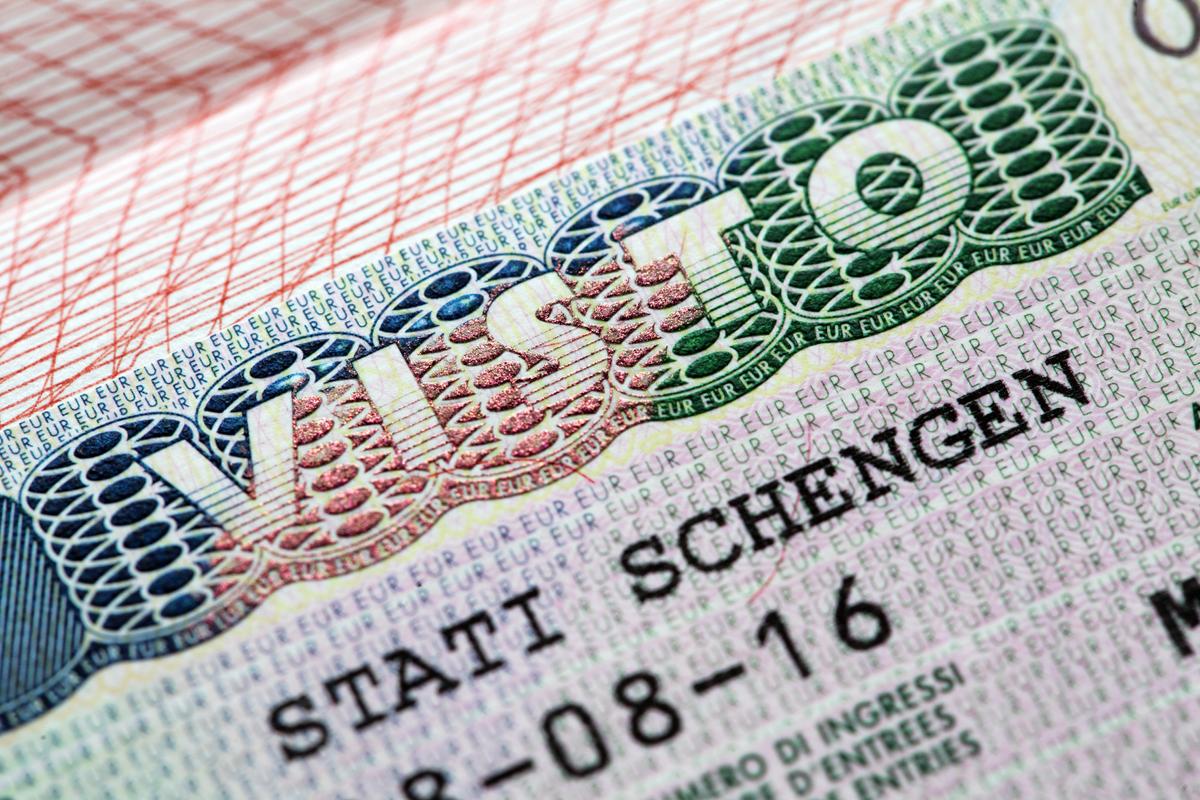
EU foreign ministers approved this change on Monday, signaling a shift towards an online application platform. Under this new system, applicants will no longer need physical stickers in their passports, eliminating the necessity for consulate or service provider appointments.
This move towards digitization follows an extensive legislative process and will be implemented after the completion of technical work on the visa platform, expected to take several months, followed by publication in the EU’s administrative gazette.
The Schengen area encompasses 23 of the 27 EU member countries and includes associated neighbors Switzerland, Norway, Iceland, and Liechtenstein.
According to Fernando Grande-Marlaska, Spain’s Interior Minister and the current holder of the EU presidency, the online visa system “will simplify the application process for travelers.” Once operational, individuals seeking short stays in the Schengen area will be able to upload documents, data, and electronic copies of travel documents with biometric information and make payments through the online platform. If approved following database cross-checks, they will receive a cryptographically signed barcode to print or store electronically.
However, some first-time applicants or those with new passports or changed biometric data may still be required to attend in-person appointments.
Countries like Australia have already adopted similar systems, linking online visas to a person’s passport without the need for a physical sticker.
While citizens from over 60 countries, including Australia, Britain, Canada, New Zealand, and the United States, generally do not require Schengen visas for short visits, they will still need to apply online for pre-screened entry through the European Travel Information and Authorization System (ETIAS). The implementation of ETIAS is expected in mid-2025.
All visitors to the European Union, whether with visas or visa waivers, will go through an automated EU Entry/Exit System (EES). Despite facing delays, the computerized EES is anticipated to be operational by the end of 2024. This system will record individuals’ details and biometric data, along with their entry and exit dates, to monitor overstays and refused entries.

