


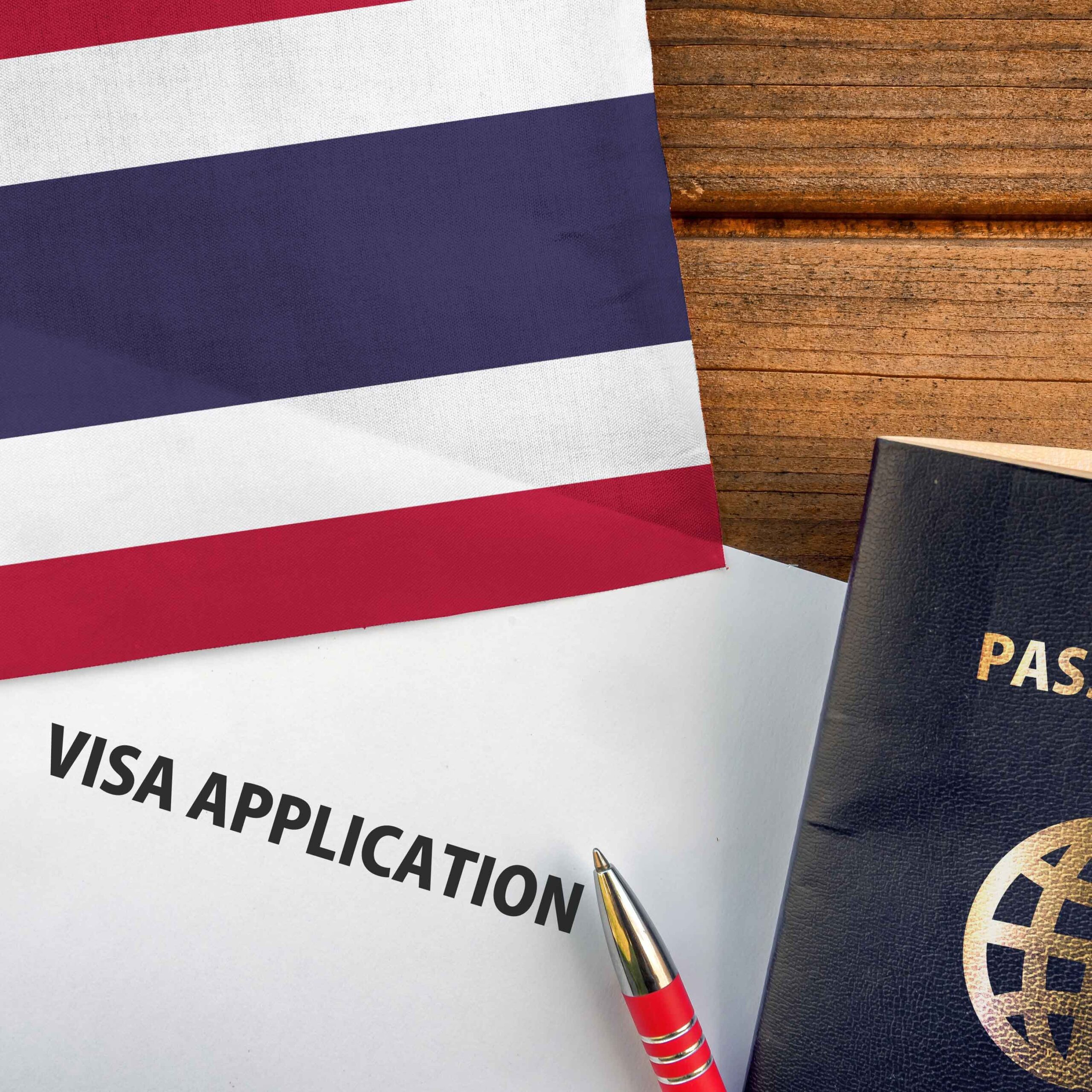
Thailand has implemented an important policy change, granting Indian tourists unrestricted entry into the country and a 60-day stay indefinitely. As a result of the large increase in Indian tourists and the positive economic impact this had on the country, this was welcomed and well-received by both tourism professionals and travelers. It was first authorized temporarily in November of last year but is now officially extended.
Thailand Gives Indians Visa-Free Travel Privileges
As per sources, the Thailand Embassy in New Delhi has given confirmation of this policy, which will remove all the restrictions on the visa-free status for Indian travelers. Tourists from India can enter the country visa-free for up to 60 days; however, they can extend their stay by another 30 days by visiting their local immigration office. Before this regulation, Indian guests had to look for a visa involving payment, documentation, and occasionally even a waiting time. That is not the situation anymore.
Visa-Free Travel: Key Benefits And A Simplified Process
Traveling without a visa allows visitors to visit Thailand without first spending time getting one. They will save a great deal of effort and have a lot of travel flexibility if they have a valid passport. The economy of the host country also benefits from more tourist revenue. In fact, more jobs are being created in the tourism and hospitality industries.
Rising Number Of Indian Tourists
The visa-free initiative has promoted an increase in the number of Indian travelers travelling to Thailand. Thailand has seen around 16.17 million Indian visitors between January and mid-October 2024 alone. Data from the Directorate General of Civil Aviation (DGCA) in India, which shows that a staggering 11.6 lakh (1.16 million) people flew between India and Thailand directly in the April–June quarter of 2024, further supports this rise.
The heightened ease of travel has also increased spontaneous travel bookings, with a significant number of Indians selecting Thailand for weekend getaways or brief vacations. Thailand has always been a favorite travel destination for Indian visitors with its immaculate beaches, rich culture, and reasonably priced holiday packages; but, the visa-free entry option has greatly added attractiveness and accessibility.
Economic Empowerment And Tourism Power
The travel industry of Thailand is greatly stimulated economically by the influx of Indian visitors. Such higher numbers demand more lodging, local transportation, food, and leisure time activities. Revenues from lodging, eating, and other tourism-related enterprises have significantly increased. Such a surge also results in more employment in Thai tourism-related businesses. The expansion of the program received praise by the Tourism Authority of Thailand (TAT), which claimed to have been beneficial for Thai economy. The Thai government is hopeful that the simplicity of access will draw more Indian visitors, which is vital for the local businesses and communities all throughout the nation.
Aviation Sector Responds To Rising Demand
The demand was met by the aviation sector adding more flights from India to Thailand. Airlines have initiated 81 additional weekly flights between the two countries as of November 2024, according to Cirium, an aviation analytics company. This amounts to 355 weekly flights and provides nearly 65,000 seats in each direction.
Since the visa-free program was launched, demand has surged greatly, so this growth highlights Thailand’s rising appeal as one of the top destinations for Indian tourists.
Prospect For Regional Integration
The increase in the number of Indian tourists has also sparked more extensive discussions in Southeast Asia, particularly regarding regional travel. Under a Schengen-style visa, proposed by Thailand’s Prime Minister Srettha Thavisin, travel between several Southeast Asian countries—including Thailand, Malaysia, Cambodia, Laos, Myanmar, and Vietnam—can be done without requiring visa changes. Actually, this project would be another excellent step towards a seamless travel experience across borders and might increase tourism within the area, therefore facilitating the visit to multiple locations.

